

Cat Diagnostic Imaging at VetQueens Animal Hospital
At VetQueens Animal Hospital, we understand that accurate diagnosis is the first step in providing effective treatment for your cat. Diagnostic imaging plays a crucial role in helping us examine your cat’s internal health, identify hidden conditions, and guide treatment decisions. Whether your cat is experiencing unexplained symptoms or we need to monitor an existing health condition, advanced imaging techniques such as X-rays, ultrasound, and CT scans allow us to get a detailed look inside your cat’s body to provide the best care possible.
Our experienced veterinary team uses the latest imaging technology to diagnose a wide range of conditions, from fractures and infections to tumors and organ abnormalities.
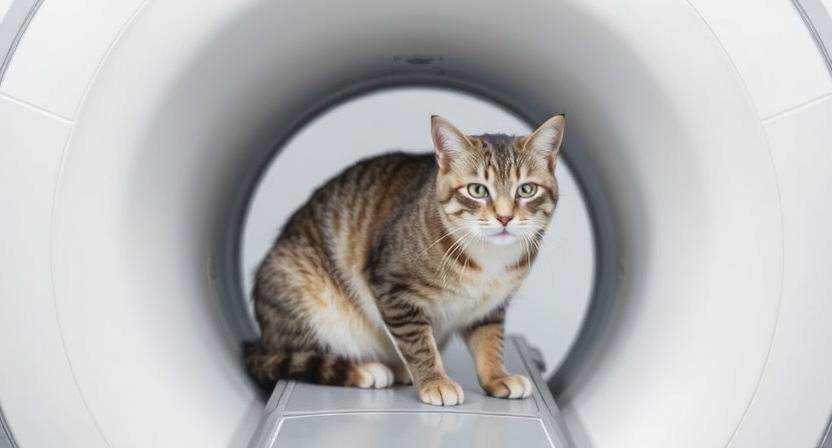
Types of Diagnostic Imaging for Cats
Diagnostic imaging allows us to see beyond what’s visible on the surface, offering us valuable insight into your cat’s health. Here are the main types of diagnostic imaging we use at VetQueens Animal Hospital:
1. X-rays (Radiography)
X-rays are one of the most commonly used diagnostic tools in veterinary medicine. They provide a clear picture of your cat’s bones, joints, chest, and abdomen, helping us diagnose:
- Fractures and bone injuries
- Arthritis and other joint issues
- Tumors or cancer in bones, lungs, or abdomen
- Heart disease and lung conditions such as pneumonia or pleural effusion
- Foreign objects that may be ingested or lodged inside the body
We use digital X-rays to capture high-quality images, which are quick, effective, and expose your cat to minimal radiation.
2. Ultrasound
Ultrasound imaging is a non-invasive procedure that uses high-frequency sound waves to create detailed images of soft tissues and organs inside your cat’s body. Unlike X-rays, ultrasound is especially useful for examining:
- Abdominal organs such as the liver, kidneys, spleen, and intestines
- Heart and cardiac function
- Bladder and urinary tract issues
- Pregnancy and fetal development in cats
- Fluid accumulation (ascites) or abnormal masses
Ultrasound is a safe and non-invasive method that helps us visualize the internal structures in real-time, allowing us to make accurate diagnoses.
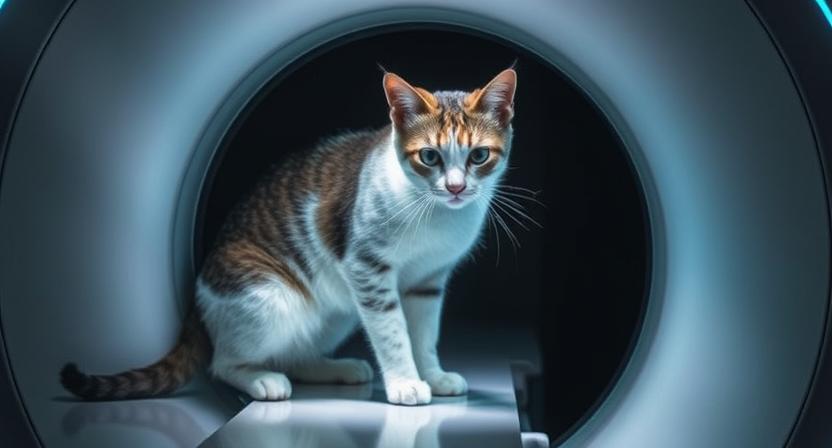
3. CT Scans (Computed Tomography)
A CT scan provides highly detailed, cross-sectional images of your cat’s body, creating 3D images that allow for a more precise diagnosis. This advanced imaging tool is particularly useful for detecting:
- Brain and spinal cord abnormalities
- Complex fractures and bone injuries
- Cancer and tumors that may be difficult to detect with X-rays or ultrasound
- Infections or inflammations in deep tissues
CT scans are typically used when we need more detailed images than traditional X-rays can provide, and they help us plan more precise treatments or surgeries.
When is Diagnostic Imaging Recommended for My Cat?
Your veterinarian may recommend diagnostic imaging in various situations, including:
- Unexplained symptoms: If your cat is experiencing unexplained pain, limping, vomiting, or lethargy, imaging can help uncover hidden issues like fractures, organ problems, or infections.
- Trauma or injury: If your cat has been in an accident or has suffered from a fall, X-rays and CT scans are essential for evaluating internal injuries or fractures.
- Chronic conditions: For conditions such as heart disease, kidney problems, or tumors, diagnostic imaging is necessary for monitoring progression and assessing treatment options.
- Pre-surgical evaluation: Imaging helps us assess the condition of organs and tissues before surgery, ensuring we have a complete understanding of the situation.
- Monitoring treatment progress: For ongoing treatments (such as cancer therapy or organ disease management), diagnostic imaging allows us to track how well your cat is responding to treatment.
Benefits of Diagnostic Imaging for Cats
- Non-invasive procedures: Most imaging techniques are safe and non-invasive, meaning your cat will not have to undergo surgery or invasive tests.
- Quick and accurate results: Imaging provides rapid, clear results, helping us make a quick diagnosis and start the appropriate treatment as soon as possible.
- Minimally stressful for your cat: We use sedation or anesthesia, when necessary, to ensure your cat is comfortable during the procedure.
- Guides treatment decisions: Accurate imaging helps guide your veterinarian in recommending the best course of action, from medication to surgery.
Why Choose VetQueens Animal Hospital for Your Cat’s Diagnostic Imaging?
At VetQueens Animal Hospital, we provide state-of-the-art diagnostic imaging services with a focus on your cat’s comfort and safety. Our highly trained veterinarians use advanced imaging technology to ensure the most accurate and detailed results. Whether your cat is experiencing acute symptoms or has a long-term health issue, our imaging services allow us to make informed decisions to improve your cat’s health.
We also understand that pets may feel anxious about procedures, which is why we offer a calm and compassionate environment. Our goal is to make the experience as stress-free as possible for both you and your cat.
If you believe your cat may benefit from diagnostic imaging or if your veterinarian has recommended it, don’t hesitate to contact us at VetQueens Animal Hospital. Our team is here to help your cat stay healthy and happy.
-
What is diagnostic imaging for cats?
-
When would my cat need diagnostic imaging?
-
What types of diagnostic imaging are used for cats?
-
What conditions can diagnostic imaging help diagnose in cats?
-
Is diagnostic imaging safe for my cat?
-
Does my cat need to be sedated for diagnostic imaging?
-
How long does diagnostic imaging take?
-
Will I be able to see the results immediately?
-
What should I do to prepare my cat for diagnostic imaging?
-
Why should I choose VetQueens Animal Hospital for diagnostic imaging?