

Cat Anesthesia Services at VetQueens Animal Hospital
Anesthesia is a critical part of modern veterinary care, ensuring that your cat is comfortable and pain-free during procedures that require sedation or surgery. At VetQueens Animal Hospital, we take great care in providing safe and effective anesthesia for cats, ensuring that each patient is treated with the highest level of care before, during, and after the procedure.
Whether your cat needs routine dental work, a minor surgical procedure, or more extensive surgery, we ensure they are closely monitored and managed at every stage of anesthesia. Our team of experienced veterinarians and certified veterinary technicians works together to provide a safe and comfortable experience for your cat.
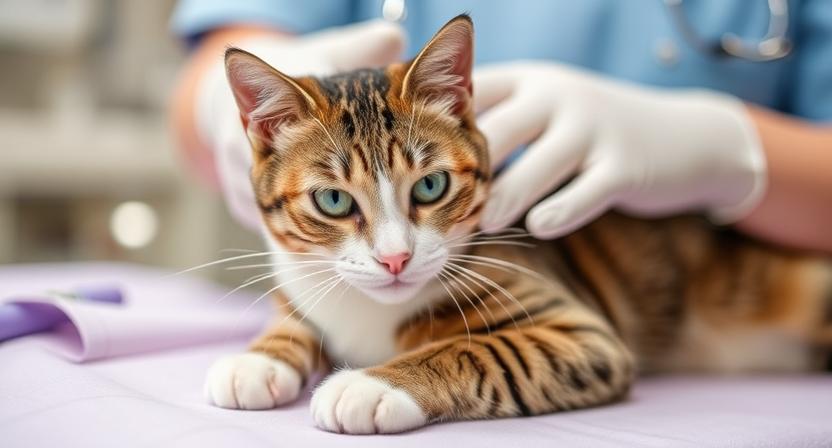
Why Is Anesthesia Necessary for Cats?
Anesthesia is required for various procedures that would be too painful or distressing for cats if performed without it. Some common reasons anesthesia is used include:
- Surgical procedures: Any surgery, from routine spaying and neutering to more complex procedures like tumor removal, requires anesthesia to ensure your cat remains completely still and pain-free.
- Dental procedures: Teeth cleaning, extractions, and other dental work require anesthesia to keep your cat comfortable during the procedure.
- Diagnostic tests: Certain diagnostic procedures, such as biopsy sampling, endoscopy, or CT/MRI scans, may require your cat to be under anesthesia for safety and accuracy.
- Treatment of injuries: If your cat needs a wound stitched, broken bones set, or other trauma-related treatments, anesthesia is essential to prevent pain and stress.
The Anesthesia Process for Cats
At VetQueens Animal Hospital, we follow a thorough and careful process to ensure that your cat is fully prepared and monitored during anesthesia. Here’s what you can expect:
- Pre-anesthetic Evaluation:
Before any anesthesia is administered, we perform a complete health assessment to ensure your cat is fit for the procedure. This may include: - A physical exam to assess your cat’s overall health
- Blood tests to check liver and kidney function, blood clotting ability, and other important parameters
- A review of your cat’s medical history, including any medications they may be taking, to ensure the safest possible anesthesia protocol.
- Pre-anesthetic Medication:
In some cases, we may administer pre-anesthetic medications to help calm your cat, reduce pain, and prevent anxiety. These medications can also help to make the anesthesia process smoother and less stressful for your cat. - Anesthesia Induction:
Once your cat is prepped and relaxed, we carefully administer an anesthetic agent, usually via injectable medication, to induce a state of unconsciousness. We ensure that your cat is comfortable and not experiencing any pain as they are sedated. - Maintenance of Anesthesia:
Throughout the procedure, anesthesia is maintained via an intravenous drip or gas anesthesia through an endotracheal tube to ensure that your cat remains safely anesthetized. We closely monitor your cat’s vital signs, including: - Heart rate and blood pressure
- Respiratory rate and oxygen levels
- Body temperature
Our highly trained veterinary technicians will be by your cat’s side, continuously monitoring their condition to ensure everything is running smoothly.
- Post-anesthetic Care:
Once the procedure is complete, your cat will be slowly and gently brought out of anesthesia. We monitor their recovery closely, ensuring they regain full consciousness in a calm and safe environment. After the procedure, we will provide detailed post-anesthetic care instructions, including monitoring your cat’s behavior, food intake, and recovery from the anesthesia.
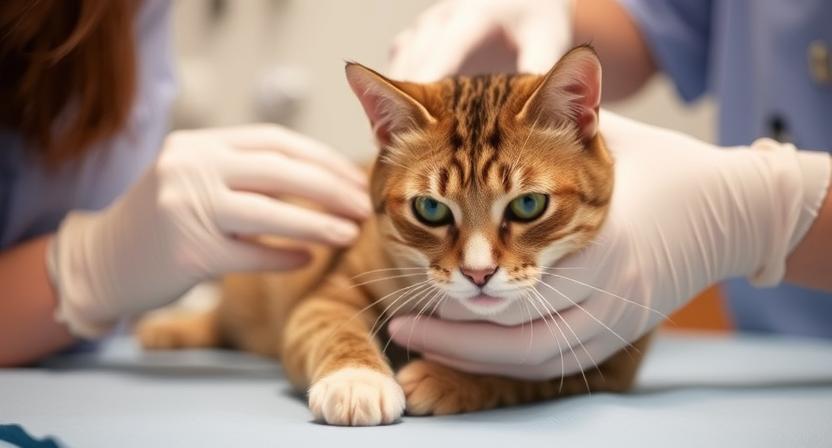
Is Anesthesia Safe for My Cat?
Anesthesia is a very safe procedure for cats when performed by trained professionals, and we at VetQueens Animal Hospital take every precaution to ensure your cat’s safety. Our veterinarians use the most modern anesthetic agents, which are both effective and safe for felines.
Additionally, we always perform a pre-anesthetic evaluation to ensure that your cat is healthy enough for the procedure. Cats with certain health conditions, such as heart or kidney disease, may require a special anesthetic protocol to reduce the risk of complications.
By using the latest monitoring equipment and keeping your cat closely observed, we minimize any potential risks and provide the best care possible throughout the anesthesia process.
Signs of Anesthesia Complications in Cats
While complications during anesthesia are rare, it’s important to be aware of potential signs of discomfort or distress during recovery. Some common signs that may indicate complications include:
- Excessive vomiting or drooling
- Difficulty breathing or rapid breathing
- Abnormal behavior, such as extreme lethargy or agitation
- Changes in body temperature (feeling too hot or cold)
- Loss of appetite or reluctance to drink water
If you notice any unusual symptoms after your cat’s procedure, please contact VetQueens Animal Hospital immediately for guidance.
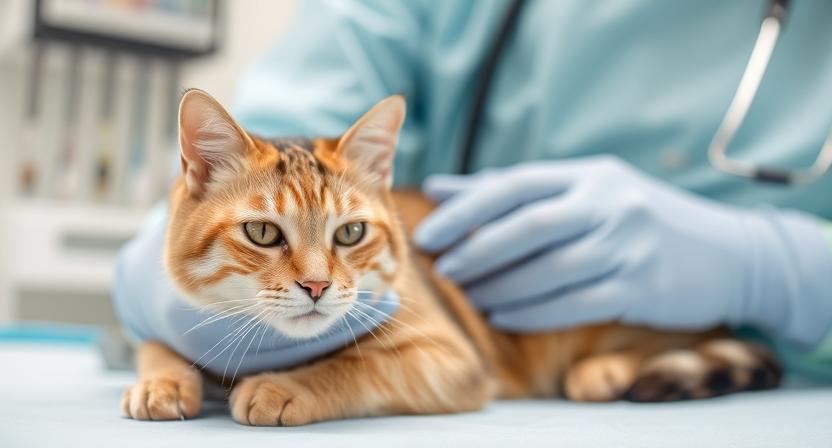
How Can I Prepare My Cat for Anesthesia?
Before your cat undergoes anesthesia, we will provide you with clear instructions on how to prepare them for the procedure. Some important preparation steps include:
- Fasting: Most cats need to fast for 12 hours prior to anesthesia to reduce the risk of vomiting or aspiration. We will let you know the exact fasting instructions based on your cat’s procedure.
- Hydration: Ensure that your cat has access to fresh water before the fasting period begins to keep them hydrated.
- Medication: If your cat is on any regular medication, discuss it with us in advance. We will provide instructions on whether to give it before anesthesia.
Why Choose VetQueens Animal Hospital for Cat Anesthesia?
At VetQueens Animal Hospital, we prioritize your cat’s safety and comfort above all else. Our team is highly experienced in administering anesthesia to cats of all ages and health conditions, ensuring they receive the highest standard of care throughout the entire process.
Whether your cat is undergoing a routine dental cleaning, a minor surgery, or a more complex procedure, we will work closely with you to ensure your cat’s safety and comfort before, during, and after anesthesia. Our state-of-the-art monitoring equipment, combined with our compassionate approach, provides peace of mind for both you and your pet.
Contact us today to schedule a consultation for your cat’s upcoming procedure and learn more about our safe and effective anesthesia services.
-
What is cat anesthesia?
-
Why does my cat need anesthesia?
-
Is anesthesia safe for my cat?
-
How is anesthesia administered to my cat?
-
What happens before anesthesia is given?
-
Is there a risk of complications with anesthesia?
-
How long will my cat be under anesthesia?
-
How long does it take for my cat to recover from anesthesia?
-
How can I prepare my cat for anesthesia?
-
What should I expect after my cat’s anesthesia?