


Why Is My Dog Shaking?
- Shaking in Dogs Is a Symptom That Should Not Be Ignored
- Normal Reasons Dogs May Shake Temporarily
- Stress, Fear, and Anxiety-Related Trembling
- Pain as a Cause of Shaking in Dogs
- Illnesses That Can Cause Dogs to Shake
- Neurological Disorders and Tremors
- Shaking Caused by Digestive Upset and Nausea
- Breed-Specific and Age-Related Shaking
- When Shaking Is a Medical Emergency
- Diagnostic Evaluation at a Veterinary Clinic
- Treatment Options Based on the Cause of Shaking
- When to Schedule a Veterinary Appointment
Shaking in Dogs Is a Symptom That Should Not Be Ignored
When a dog starts shaking or trembling, it often alarms owners, especially if it appears suddenly or without an obvious cause. Shaking is not a disease on its own but a physical response that can signal discomfort, stress, pain, or a medical condition. The key is understanding what the body is trying to communicate.
Some dogs shake briefly and then return to normal behavior, while others continue trembling for extended periods. The duration, frequency, and context of shaking are important clues. Observing when the shaking occurs helps veterinarians narrow down possible causes.
In Queens, veterinary clinics frequently see dogs brought in for shaking that owners initially assumed was harmless. In many cases, early evaluation prevents progression into more serious conditions.
“Shaking is the body’s way of saying something is wrong.”
Normal Reasons Dogs May Shake Temporarily
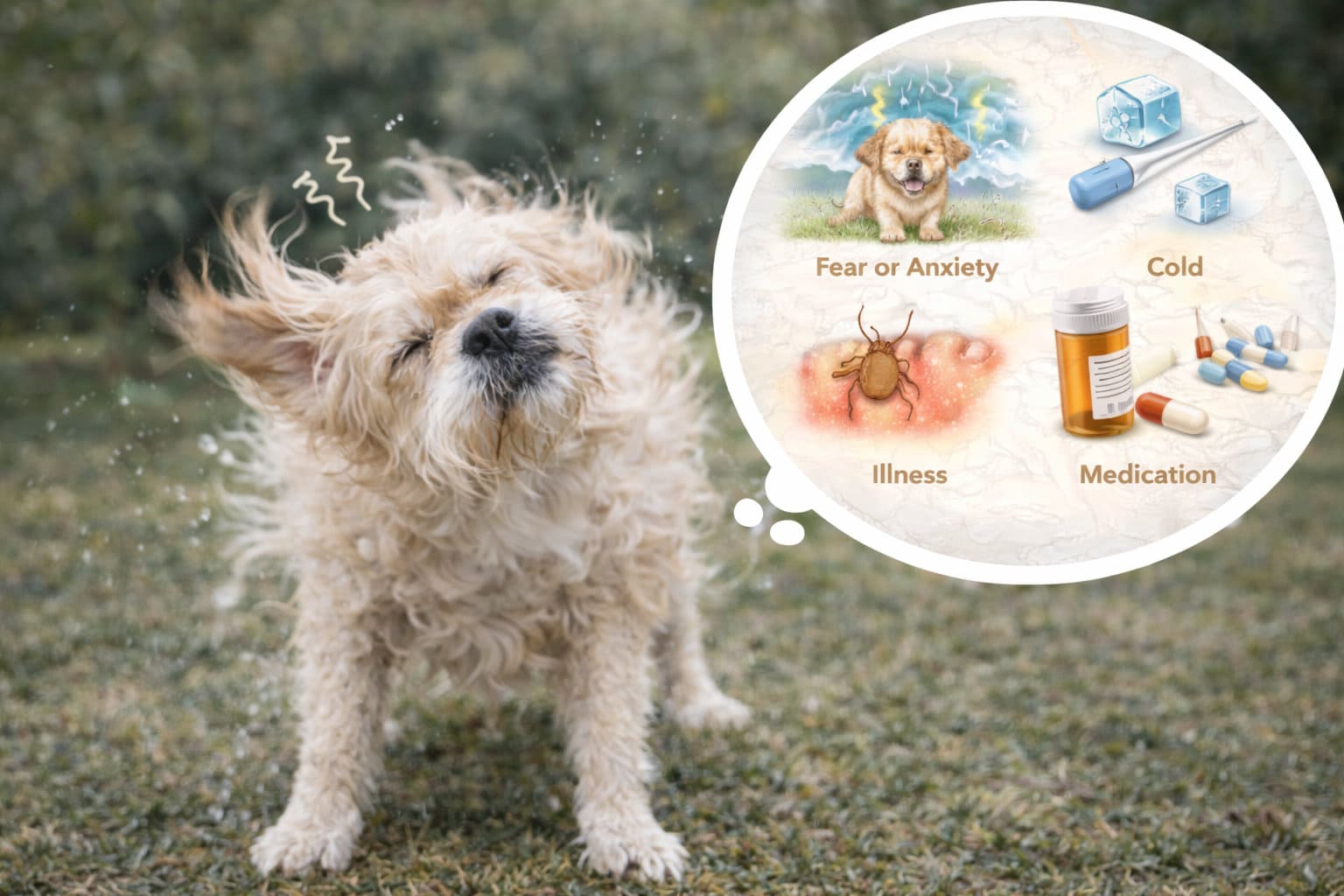
Not all shaking indicates illness. Dogs may shake when they are cold, excited, or nervous. Small breeds and short-haired dogs are especially prone to trembling in cooler environments.
Emotional stimulation such as excitement before a walk or anxiety during a car ride can also cause shaking. These episodes are usually short-lived and stop once the trigger is removed.
After bathing or swimming, dogs often shake vigorously to dry themselves. This is a normal behavior and not a cause for concern.
Understanding normal shaking patterns helps distinguish harmless behavior from warning signs.
Stress, Fear, and Anxiety-Related Trembling
Emotional stress is a very common cause of shaking in dogs. Loud noises, thunderstorms, fireworks, unfamiliar people, or changes in routine can trigger trembling.
Anxiety-related shaking is often accompanied by other signs such as pacing, hiding, whining, or excessive licking. Dogs experiencing chronic anxiety may shake frequently in response to everyday stimuli.
Some dogs are genetically predisposed to anxiety, while others develop it due to past experiences. Identifying emotional triggers is essential for long-term management.
Persistent anxiety-related shaking should be addressed with veterinary guidance.
Unnumbered list:
- Loud noises or storms
- New environments or routines
- Separation from owners
Pain as a Cause of Shaking in Dogs
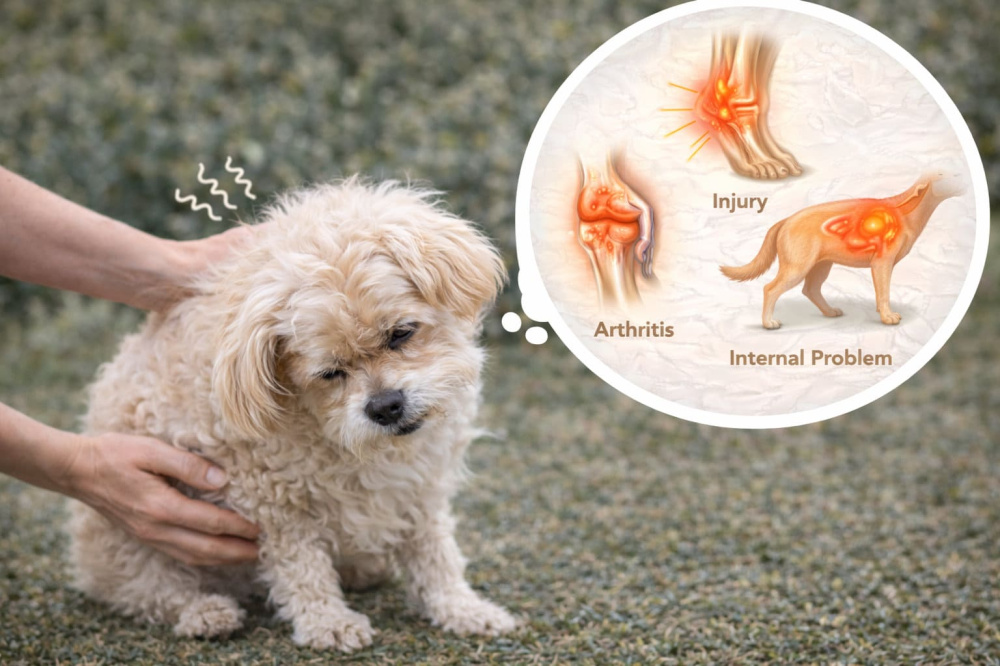
Pain is one of the most serious causes of shaking and is often overlooked. Dogs may tremble when experiencing discomfort from injuries, arthritis, dental disease, or internal conditions.
Pain-related shaking may worsen with movement or touch. Dogs may also avoid certain positions or become less active than usual.
Because dogs instinctively hide pain, shaking may be one of the first visible signs. Waiting for more obvious symptoms can delay diagnosis and treatment.
Veterinary evaluation is essential when shaking is suspected to be pain-related.
Illnesses That Can Cause Dogs to Shake
Many medical conditions can cause shaking. Infections, fever, metabolic disorders, kidney disease, and neurological issues may all present with trembling as a symptom.
Low blood sugar is a common cause of shaking, especially in small breeds and puppies. This condition can become dangerous quickly if untreated.
Poisoning or exposure to toxins can also cause sudden shaking and requires immediate veterinary attention.
“Sudden shaking combined with other symptoms should always be taken seriously.”
Neurological Disorders and Tremors
Neurological conditions can cause involuntary shaking or tremors. These movements may appear rhythmic or constant and are often unrelated to temperature or emotion.
Conditions such as seizures, nerve damage, or spinal issues may cause abnormal shaking patterns. In some cases, shaking affects only one part of the body.
Neurological shaking often worsens over time if untreated. Early diagnosis improves outcomes and helps prevent progression.
Veterinarians use physical exams and diagnostic testing to distinguish neurological causes from other issues.
Numbered list:
- Seizure-related tremors
- Nerve compression or spinal disease
- Degenerative neurological conditions
Shaking Caused by Digestive Upset and Nausea
Dogs experiencing nausea or gastrointestinal discomfort may shake as a response to internal distress. This type of shaking is often subtle and accompanied by drooling or restlessness.
Digestive issues such as gastritis, pancreatitis, or bloating can cause discomfort severe enough to trigger trembling. Dogs may refuse food or adopt unusual postures.
Owners sometimes mistake this shaking for anxiety, but gastrointestinal pain can be equally distressing.
Veterinary evaluation helps determine whether digestive issues are mild or require urgent care.
Breed-Specific and Age-Related Shaking
Certain dog breeds are more prone to shaking due to genetics. Small breeds often tremble more visibly due to higher metabolism and sensitivity to temperature.
Senior dogs may shake due to arthritis, muscle weakness, or age-related neurological changes. These tremors often appear gradually and worsen over time.
Puppies may shake due to excitement, fear, or low blood sugar. Appetite and activity changes in young dogs should be monitored closely.
Age and breed context are important factors during veterinary assessment.
When Shaking Is a Medical Emergency
Shaking becomes an emergency when it is severe, sudden, or accompanied by other concerning symptoms. Collapse, vomiting, diarrhea, fever, or loss of consciousness require immediate care.
Toxin exposure can cause violent shaking and muscle tremors. Common household substances and certain foods are extremely dangerous to dogs.
Prolonged shaking that does not stop with rest or comfort should never be ignored.
“Emergency shaking often indicates a condition that cannot wait.”
Unnumbered list:
- Shaking with vomiting or collapse
- Loss of coordination or consciousness
- Suspected toxin exposure
Diagnostic Evaluation at a Veterinary Clinic
Veterinary diagnosis begins with a physical examination and a detailed history. Information about recent activities, diet, environment, and medications is critical.
Diagnostic testing may include blood work, imaging, neurological exams, or toxin screening depending on symptoms. These tests help identify both obvious and hidden causes.
Accurate diagnosis allows targeted treatment rather than guesswork. This approach shortens recovery time and reduces complications.
Queens veterinary clinics prioritize early diagnostics to ensure patient safety.
Treatment Options Based on the Cause of Shaking
Treatment depends entirely on the underlying cause. Anxiety-related shaking may require behavioral modification or medication, while pain-related shaking requires pain management.
Medical conditions may need medication, fluid therapy, or dietary changes. Neurological issues often require long-term management.
Never give human medications to dogs, as many can worsen shaking or cause toxicity.
Effective treatment always addresses the root cause, not just the symptom.
When to Schedule a Veterinary Appointment
If your dog is shaking and the cause is unclear, scheduling a veterinary appointment is the safest step. Early evaluation prevents minor issues from becoming serious problems.
During the visit, the veterinarian will explain findings, treatment options, and expected outcomes. The price of care depends on diagnostics and treatment needs, which is why individual assessment is important.
Pet owners are encouraged to schedule an appointment promptly rather than waiting for shaking to resolve on its own. Early care is more effective and often less costly.
Your dog’s comfort, safety, and long-term health depend on timely veterinary attention and informed decisions.