


Why Is My Dog Limping Suddenly?
- Sudden Limping in Dogs Is a Serious Warning Sign
- How to Recognize Different Types of Limping
- Common Causes of Sudden Limping in Dogs
- Joint Problems That Can Appear Suddenly
- Bone Injuries and Fractures
- Neurological Causes of Limping
- Soft Tissue Injuries and Overexertion
- Pain Threshold and Why Dogs Limp Late
- When Sudden Limping Is an Emergency
- Diagnostic Evaluation at a Veterinary Clinic
- Treatment Options and Recovery Expectations
- Scheduling a Veterinary Appointment and Next Steps
Sudden Limping in Dogs Is a Serious Warning Sign
When a dog starts limping suddenly, it often catches owners off guard and causes immediate concern. Dogs typically hide discomfort well, so a visible change in movement usually means the issue is significant enough to overcome that instinct. Sudden limping should always be taken seriously, even if it seems mild at first.
In Queens, veterinarians frequently see dogs brought in for limping that began overnight or after a walk. Some dogs may still try to run or play despite pain, which can worsen the injury if left unaddressed. Limping is not a diagnosis but a symptom indicating pain, instability, or neurological dysfunction.
The severity of limping can vary from subtle favoring of one leg to complete refusal to bear weight. Both scenarios require attention. Even a slight limp can signal an underlying issue that may progress quickly.
“Any sudden change in how a dog walks deserves careful evaluation.”

How to Recognize Different Types of Limping
Not all limps look the same, and the way a dog moves can provide important clues. Some dogs limp only when walking slowly, while others show discomfort mainly during running or climbing stairs. Observing when and how the limp appears is valuable information for your veterinarian.
Weight-bearing limps indicate discomfort but not complete instability, while non-weight-bearing limps often point to more severe pain or injury. Some dogs alternate between normal movement and limping, especially in early stages.
Front-leg limping often relates to shoulder, elbow, or paw issues, while hind-leg limping may involve hips, knees, or the spine. Identifying which leg is affected can help narrow down possible causes.
Careful observation before a veterinary visit can improve diagnostic accuracy and speed.
Common Causes of Sudden Limping in Dogs
Sudden limping is frequently caused by musculoskeletal injuries. Sprains, strains, torn ligaments, or bruises can occur during normal activity, especially in active dogs.
Trauma is another common cause. Slipping on smooth floors, jumping off furniture, or minor accidents during walks can lead to acute pain. Sometimes the injury is not immediately visible.
Foreign objects such as thorns, glass, or small stones lodged in the paw can cause sudden limping. Nail injuries and broken claws are also common and often overlooked.
Even minor injuries can be painful enough to cause limping.
Unnumbered list:
- Muscle strains or ligament injuries
- Paw pad wounds or foreign objects
- Nail trauma or fractures
Joint Problems That Can Appear Suddenly
Joint-related issues can cause sudden limping even if the condition has been developing quietly. Arthritis flare-ups may appear abruptly, especially in older dogs or during cold or damp weather.
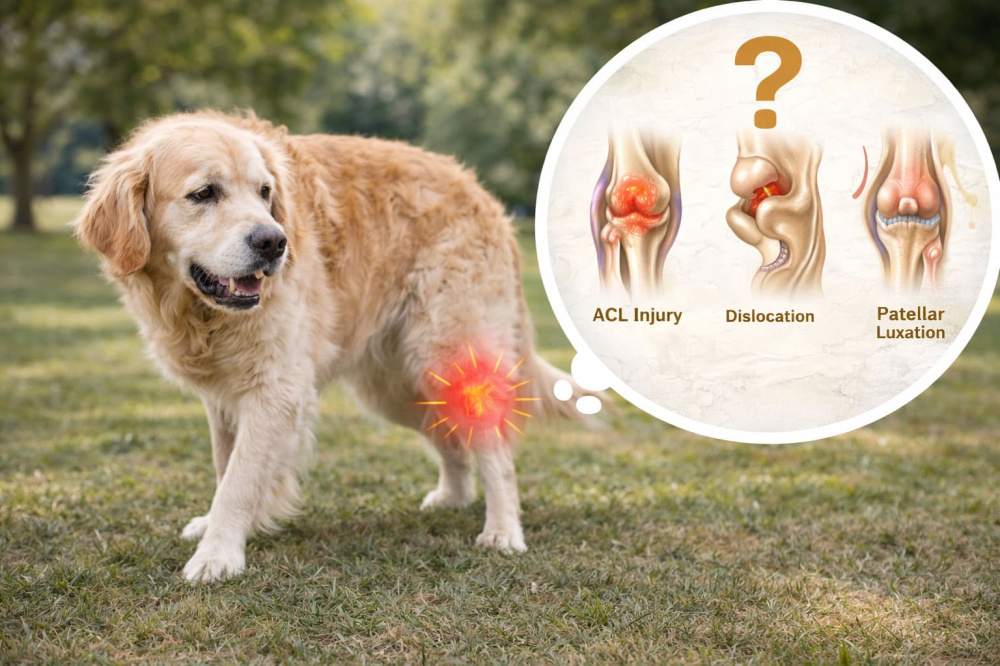
Cruciate ligament injuries in the knee are a common cause of sudden hind-leg limping. These injuries may occur during routine activity, not just intense exercise.
Joint instability often worsens quickly without proper care. Dogs may initially limp mildly but progress to severe pain and mobility issues within days.
Early veterinary intervention can prevent long-term joint damage and reduce recovery time.
Bone Injuries and Fractures
Fractures are a serious but sometimes subtle cause of limping. Not all fractures involve obvious deformity or swelling, especially small or hairline fractures.
Dogs may still attempt to walk on a fractured limb, masking the severity of the injury. Pain often increases with movement, causing worsening limping over time.
Bone injuries require prompt diagnosis through imaging such as X-rays. Delaying care can lead to improper healing or permanent damage.
“Dogs often push through pain, which is why fractures are sometimes underestimated.”
Neurological Causes of Limping
Not all limping originates from bones or joints. Neurological issues can affect coordination, strength, and limb control, resulting in abnormal gait.
Nerve compression, spinal injuries, or disc disease may cause sudden weakness or dragging of a limb. These conditions can progress rapidly if untreated.
Neurological limping often looks different from orthopedic limping. Dogs may stumble, knuckle over, or have difficulty standing rather than showing classic pain responses.
Veterinary evaluation is essential to distinguish neurological causes from musculoskeletal injuries.
Numbered list:
- Nerve compression or spinal injury
- Intervertebral disc disease
- Neuromuscular disorders
Soft Tissue Injuries and Overexertion
Soft tissue injuries are among the most common causes of sudden limping. Overexertion during play, running, or jumping can strain muscles and tendons.
These injuries may not show visible swelling initially, making them easy to overlook. Limping may worsen after rest or activity depending on the injury.
Dogs that are highly active or overweight are at higher risk. Lack of proper conditioning can also contribute to sudden injury.
Rest and controlled activity are often part of treatment, but diagnosis is necessary to rule out more serious conditions.
Pain Threshold and Why Dogs Limp Late
Dogs have a high tolerance for pain and often do not show signs until discomfort becomes significant. Limping is usually a late indicator rather than an early one.
This delay can make injuries seem sudden when they have actually been developing for days or weeks. Owners may be surprised by the abrupt change in mobility.
Recognizing subtle signs such as reluctance to jump, stiffness after rest, or changes in posture can help detect problems earlier.
Visible limping usually means the pain has reached a critical point.

When Sudden Limping Is an Emergency
Certain signs indicate that immediate veterinary care is necessary. A dog that refuses to put weight on a limb or cries out in pain should be evaluated urgently.
Swelling, heat, or obvious deformity of a limb may indicate fracture, infection, or severe inflammation. These conditions require prompt treatment.
Sudden limping accompanied by lethargy, fever, or loss of appetite may signal systemic illness or infection.
“Waiting too long can turn a treatable injury into a permanent problem.”
Unnumbered list:
- Non-weight-bearing limping
- Severe pain or vocalization
- Rapid swelling or deformity
Diagnostic Evaluation at a Veterinary Clinic
Veterinary diagnosis begins with a thorough physical and orthopedic examination. The veterinarian will assess range of motion, joint stability, and pain response.
Diagnostic imaging such as X-rays or ultrasound is often necessary to identify fractures, joint injuries, or soft tissue damage. Neurological exams may be performed if indicated.
Accurate diagnosis is essential for effective treatment planning. Guessing or delaying diagnostics can prolong recovery and increase costs.
Queens veterinary clinics emphasize precise diagnosis to ensure the best outcomes.
Treatment Options and Recovery Expectations
Treatment depends entirely on the underlying cause. Minor strains may require rest and anti-inflammatory medication, while more serious injuries may need surgery or advanced therapy.
Pain management is a critical component of treatment. Never give human pain medications to dogs, as many are toxic.
Recovery timelines vary widely. Some dogs improve within days, while others require weeks or months of rehabilitation.
Following veterinary instructions closely is key to full recovery.
Scheduling a Veterinary Appointment and Next Steps
If your dog is limping suddenly, scheduling a veterinary appointment promptly is the safest decision. Early evaluation prevents complications and reduces long-term damage.
During the visit, the veterinarian will explain diagnostic findings, treatment options, and recovery expectations. The price of care depends on diagnostics and treatment needs, which is why individual assessment is important.
Pet owners are encouraged to schedule an appointment as soon as limping is noticed, even if it appears mild. Early care is more effective and often more affordable.
Your dog’s comfort, mobility, and quality of life depend on timely veterinary attention and informed decisions.