


Dog Dental Cleaning Cost
- Dog Dental Cleaning Cost in NYC for Dogs in Queens NY
- Why Dental Cleaning Is Important for Dogs
- What Is Included in a Professional Dog Dental Cleaning
- Why Dog Dental Cleaning Requires Anesthesia
- Factors That Affect Dog Dental Cleaning Cost
- Average Dog Dental Cleaning Cost in NYC
- Signs Your Dog May Need Dental Cleaning
- Dog Tooth Extractions and Additional Dental Costs
- How Often Dogs Need Professional Dental Cleaning
- Ways to Reduce Dog Dental Cleaning Costs
- Choosing the Right Veterinary Dental Clinic in Queens NYC
- Final Thoughts on Dog Dental Cleaning Cost
Dog Dental Cleaning Cost in NYC for Dogs in Queens NY
Dental care is one of the most overlooked parts of a dog’s health, yet it can have a major impact on overall wellness, comfort, and quality of life. Many dog owners do not realize that bad breath, yellow teeth, red gums, and chewing problems are often signs of dental disease that may require professional treatment. Searching for terms like “dog dental cleaning cost,” “dog teeth cleaning near me,” and “veterinary dental cleaning Queens NY” has become increasingly common as more pet owners learn how important oral health really is.
Professional dog dental cleaning is much more than simply brushing a dog’s teeth. During a veterinary dental procedure, the veterinarian examines the teeth and gums, removes tartar buildup, checks for infection, and may perform dental X-rays or extractions if needed. Because dogs must remain still and comfortable during the cleaning, anesthesia is usually required.
The cost of dog dental cleaning can vary depending on the age and size of the dog, the condition of the teeth, whether extractions are needed, and what services are included in the procedure. Some dogs only need a basic cleaning, while others may require treatment for severe dental disease, broken teeth, or gum infections.
Understanding what affects the price of dog dental cleaning can help pet owners prepare for the procedure and avoid waiting until a dental issue becomes much more serious and expensive.
Why Dental Cleaning Is Important for Dogs
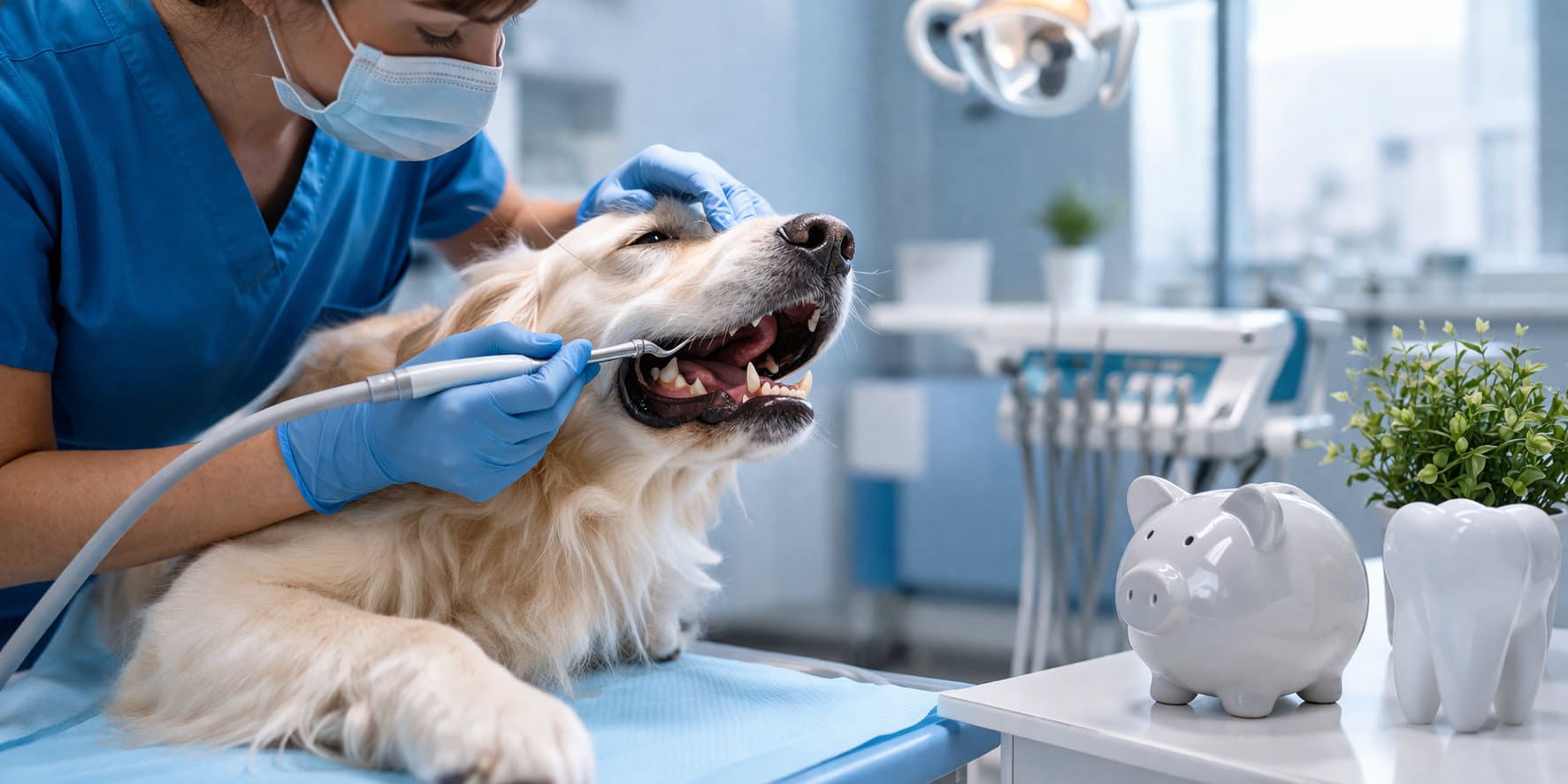
Dental disease is one of the most common health problems in dogs. By the age of three, many dogs already show signs of plaque buildup, tartar accumulation, inflamed gums, or periodontal disease. Without treatment, these problems can become painful and may eventually affect other parts of the body.
When bacteria build up in the mouth, they can enter the bloodstream and potentially impact the heart, liver, and kidneys. Dogs with advanced dental disease may also have difficulty eating, lose weight, drool excessively, or become less active because of chronic pain.
Professional dental cleanings help remove plaque and tartar from both above and below the gum line. This is important because many dental problems begin in areas that are not visible to the owner during routine brushing at home.
“Dental disease is not just a cosmetic issue. It can affect a dog’s comfort, appetite, and long-term health.”
Many pet owners delay dental care because they assume bad breath is normal in dogs. In reality, strong bad breath is often one of the first warning signs that a dog may need a dental cleaning or oral examination.
What Is Included in a Professional Dog Dental Cleaning
A professional dental cleaning performed by a veterinarian usually includes several important steps. The exact services may vary between clinics, but most dental procedures involve a combination of examination, cleaning, polishing, and possible treatment for underlying dental disease.
A standard dog dental cleaning may include:
- Oral examination
- Anesthesia
- Scaling plaque and tartar
- Polishing the teeth
- Cleaning below the gum line
- Dental charting
- Dental X-rays
- Tooth extractions if needed
- Pain medication
- Antibiotics in some cases
Dental X-rays are especially important because they allow the veterinarian to see problems below the gum line that are not visible during a basic exam. A tooth may appear healthy on the surface but have severe damage or infection underneath.
Some clinics include dental X-rays and anesthesia in the quoted price, while others charge separately for these services. This is why it is important to ask exactly what is included before scheduling the procedure.
Dogs with severe periodontal disease may also need follow-up visits, antibiotics, or special diets after the dental cleaning is completed.
Why Dog Dental Cleaning Requires Anesthesia
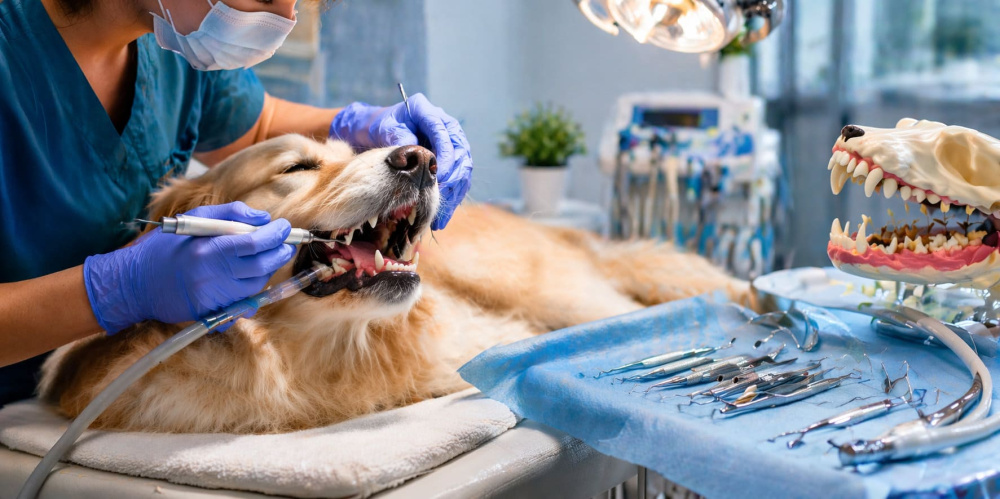
Many pet owners wonder why anesthesia is necessary for dog dental cleaning. Unlike humans, dogs cannot sit still and keep their mouths open for a complete cleaning. They may become anxious, move suddenly, or experience pain if sensitive areas are touched.
Anesthesia allows the veterinarian to clean the teeth thoroughly and safely, especially below the gum line where plaque and bacteria collect. It also allows dental X-rays to be taken and extractions to be performed if needed.
Cleaning a dog’s teeth without anesthesia is usually limited to removing visible tartar above the gum line. While this may make the teeth look cleaner, it does not address the deeper areas where dental disease often begins.
Important reasons anesthesia is used include:
- Safer and more thorough cleaning
- Better evaluation of the entire mouth
- Ability to take dental X-rays
- Less stress for the dog
- Easier tooth extraction if needed
- Reduced risk of injury during the procedure
Modern veterinary anesthesia is generally safe, especially when blood work and monitoring are performed before and during the procedure. Veterinarians carefully evaluate the dog’s age, health, breed, and medical history before recommending anesthesia.
“Anesthesia allows veterinarians to clean below the gum line, where the most serious dental problems often develop.”
For older dogs or dogs with medical conditions, pre-anesthetic blood work is often recommended to reduce risk and ensure the safest possible procedure.
Factors That Affect Dog Dental Cleaning Cost
The cost of dog dental cleaning can vary significantly depending on the condition of the dog’s teeth and the type of treatment required. A young dog with mild tartar buildup usually costs much less to treat than a senior dog with severe gum disease and multiple infected teeth.
Some of the biggest factors that influence dental cleaning cost include:
- Dog size
- Age of the dog
- Severity of dental disease
- Need for dental X-rays
- Tooth extractions
- Type of anesthesia used
- Pre-anesthetic blood work
- Post-operative medications
- Location of the veterinary clinic
Large dogs may require more anesthesia and longer cleaning times than small dogs. Dogs with severe periodontal disease may also need extractions, which can increase the final cost significantly.
Location also matters. Veterinary dental cleaning in Queens, Brooklyn, Manhattan, or other parts of NYC may cost more than in smaller towns because of higher operating costs and access to advanced equipment.
Searches for “affordable dog dental cleaning NYC,” “dog teeth cleaning Queens,” and “vet dental cleaning near me” are common because many pet owners want to compare prices before booking an appointment.

Average Dog Dental Cleaning Cost in NYC
The cost of dog dental cleaning in NYC depends on what is included in the procedure. A simple cleaning with anesthesia and a basic oral exam is usually much less expensive than a cleaning that includes X-rays, extractions, medication, and overnight care.
A typical dog dental cleaning appointment may involve:
- Initial dental exam
- Pre-anesthetic blood work
- Anesthesia
- Dental cleaning and polishing
- Dental X-rays
- Tooth extraction if necessary
- Pain medication
- Follow-up care
Dogs with healthy teeth may only need a routine cleaning once every year or two. Dogs with severe dental disease, however, may need more frequent care and more advanced treatment.
Some veterinary clinics offer dental packages that include blood work, anesthesia, cleaning, and X-rays in a single price. Other clinics may charge separately for each service, so the final bill can vary widely.
“The earlier dental disease is treated, the less likely a dog will need expensive extractions or surgery later.”
Dog owners who notice signs of dental problems should not wait too long to schedule an appointment because mild plaque buildup can progress into serious gum disease over time.
Signs Your Dog May Need Dental Cleaning
Many dog owners do not realize their pet needs dental care until the problem becomes severe. Dogs are often very good at hiding pain, so symptoms may be subtle in the beginning.
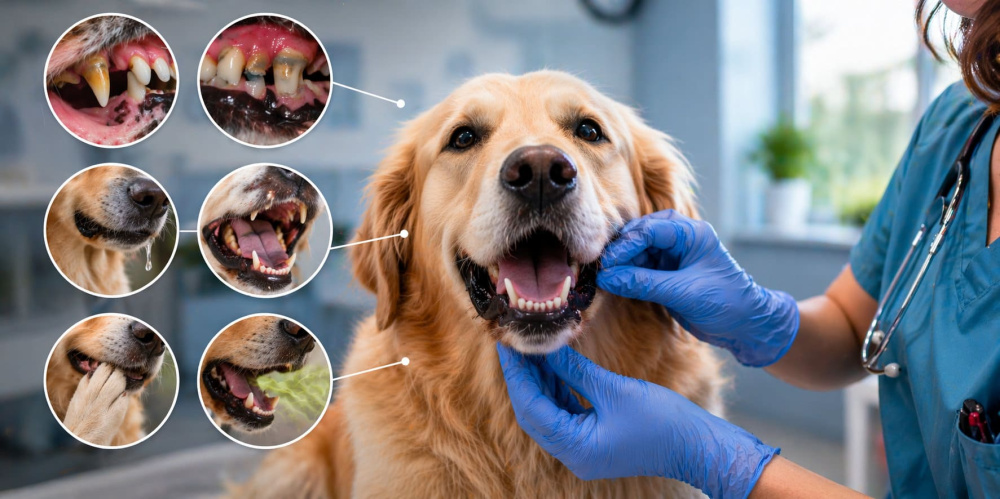
Common signs that a dog may need professional dental cleaning include:
- Bad breath
- Yellow or brown tartar
- Red or swollen gums
- Bleeding from the mouth
- Difficulty chewing
- Dropping food while eating
- Pawing at the mouth
- Loose teeth
- Excessive drooling
- Swelling around the face
Some dogs become less active or irritable because of chronic mouth pain. Others may stop chewing hard food or avoid certain toys because their teeth are sensitive.
Smaller breeds are often at higher risk for dental disease because their teeth are crowded together. Breeds such as Chihuahuas, Yorkshire Terriers, Toy Poodles, and Dachshunds often need dental cleanings more frequently than larger dogs.
If your dog has bad breath that does not improve with brushing or dental treats, it may be time to schedule a veterinary dental exam.
Dog Tooth Extractions and Additional Dental Costs
Not every dog dental cleaning requires tooth extractions, but some dogs have advanced dental disease that makes extraction necessary. Teeth that are loose, broken, infected, or severely damaged may need to be removed to relieve pain and prevent infection from spreading.
Tooth extractions can increase the overall cost of dental treatment because they require additional anesthesia time, surgical equipment, pain medication, and follow-up care.
Common reasons dogs need tooth extractions include:
- Severe periodontal disease
- Broken teeth
- Tooth root infection
- Loose teeth
- Fractured jaw injuries
- Retained baby teeth
- Advanced decay
Some dogs may only need one extraction, while others may require multiple teeth to be removed. Dogs with severe dental disease often feel much better after painful teeth are extracted because they can eat more comfortably and no longer have chronic inflammation.
Pet owners should ask the veterinarian whether extraction costs are included in the estimate or whether they are charged separately based on the number of teeth removed.
How Often Dogs Need Professional Dental Cleaning
The frequency of dental cleanings depends on the dog’s breed, age, diet, genetics, and home dental care routine. Some dogs can go several years between cleanings, while others may need dental care every year.
Small breeds and senior dogs are more likely to need frequent dental cleanings because they tend to develop tartar and gum disease more quickly. Dogs that eat only soft food may also develop plaque faster than dogs that chew dry kibble or dental treats.
Most veterinarians recommend:
- Annual dental exams
- Daily brushing if possible
- Dental chews or treats
- Professional cleaning when tartar builds up
- More frequent cleanings for small breeds
Home dental care can help reduce the need for frequent professional cleanings, but it cannot completely replace them. Brushing your dog’s teeth regularly can slow down plaque buildup and improve oral health, but tartar below the gum line still often requires professional treatment.
“Regular dental care can help prevent pain, infections, tooth loss, and more expensive procedures in the future.”
Many pet owners in Queens search for “how often should dogs get teeth cleaned” because they are unsure whether their dog needs dental care every year or only when symptoms appear.
Ways to Reduce Dog Dental Cleaning Costs
Dental care can feel expensive, but there are ways to reduce the risk of severe dental disease and avoid costly procedures later. Preventive care is usually much more affordable than waiting until multiple extractions are needed.
Some ways to lower dental costs include:
- Brushing your dog’s teeth regularly
- Using dental chews
- Scheduling annual dental exams
- Treating plaque early
- Asking about dental packages
- Considering pet insurance
- Choosing preventive care before pain develops
Some veterinary clinics also offer seasonal discounts on dental cleanings or package deals that include blood work, anesthesia, and cleaning. Pet insurance may cover part of the cost if dental disease is related to injury or illness.
The best way to reduce dental expenses is to catch problems early. A simple cleaning is usually much less expensive than treating severe infection, abscesses, or advanced periodontal disease.

Choosing the Right Veterinary Dental Clinic in Queens NYC
Finding the right veterinary clinic for dog dental cleaning is important because not all clinics offer the same level of dental care. Some clinics only provide basic cleanings, while others offer advanced dental X-rays, oral surgery, and full periodontal treatment.
When comparing clinics, ask about:
- Whether dental X-rays are included
- What type of anesthesia is used
- Whether blood work is required
- If extractions can be performed on-site
- What monitoring equipment is available
- Whether pain medication is included
- What follow-up care is provided
A good veterinary clinic will explain the procedure clearly, provide a detailed estimate, and answer questions about what is included in the cost. They should also discuss your dog’s individual risk factors and recommend a treatment plan based on the condition of the teeth and gums.
Pet owners in Queens often search for “dog dental cleaning Queens NY,” “affordable dog dentist near me,” and “veterinary dental care NYC” because they want experienced care and transparent pricing.
Final Thoughts on Dog Dental Cleaning Cost
Dog dental cleaning is an important investment in your pet’s health and comfort. While the cost can vary depending on the severity of dental disease and the services included, regular cleanings can help prevent pain, infections, tooth loss, and more expensive treatment later.
If your dog has bad breath, swollen gums, tartar buildup, or difficulty eating, it may be time to schedule a dental exam. Early treatment is usually simpler, more affordable, and more effective than waiting until the problem becomes severe.
Whether your dog needs a routine cleaning, dental X-rays, tooth extractions, or ongoing oral care, working with a trusted veterinary clinic in Queens or NYC can help keep your dog healthy and comfortable for years to come.