


Cat Bald Patches Causes, Diagnosis, and Treatment in Queens NY
- Why Bald Patches in Cats Should Never Be Ignored
- What Normal Cat Fur Should Look Like
- Common Causes of Bald Patches in Cats
- Fleas and Flea Allergy Dermatitis
- Ringworm in Cats
- Allergies and Their Role in Hair Loss
- Stress and Psychogenic Alopecia
- Hormonal and Internal Health Conditions
- Skin Infections and Secondary Complications
- How Veterinarians Diagnose Bald Patches
- Treatment Options for Cat Hair Loss
- Preventing Bald Patches in Cats
- When To See a Veterinarian in Queens NY
Why Bald Patches in Cats Should Never Be Ignored
Noticing a bald patch on your cat can be alarming. While some cases may seem minor at first glance, hair loss in cats often signals an underlying medical issue that requires veterinary evaluation. In Queens, NY, where indoor and outdoor cats are exposed to environmental allergens, parasites, and stressors, bald spots are a relatively common concern.
Cats are meticulous groomers. When hair loss appears, it typically means either the hair is falling out due to skin disease or your cat is overgrooming because of discomfort, pain, or stress. Identifying the root cause early helps prevent secondary infections and long-term complications.
“Hair loss is rarely just cosmetic. It is usually a symptom of something deeper happening beneath the skin.”
If you notice thinning fur, completely bald areas, scabs, or excessive licking, it is important to schedule an appointment at a veterinary clinic in Queens for a proper diagnosis.
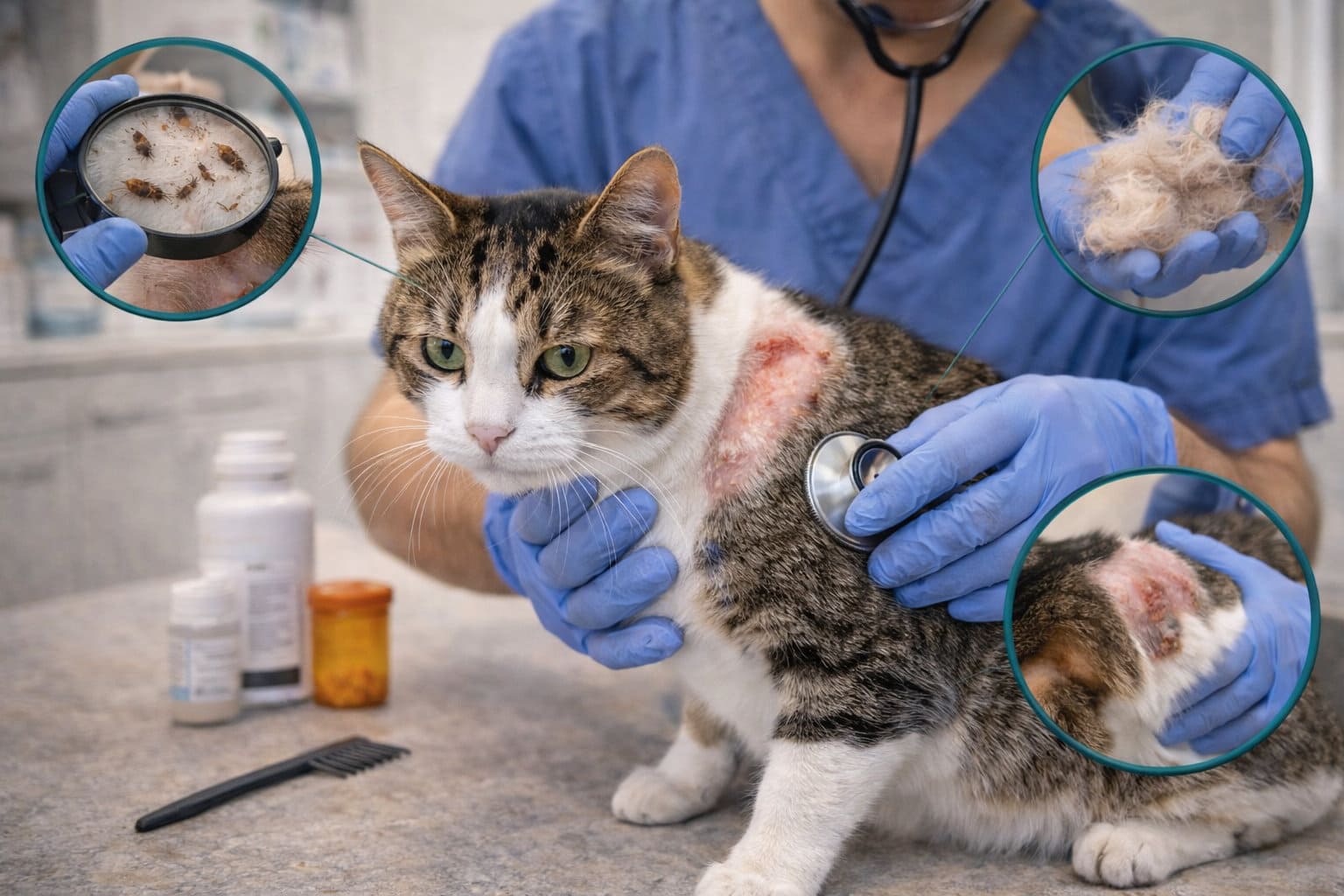
What Normal Cat Fur Should Look Like
Healthy cat fur should be smooth, evenly distributed, and shiny. The skin underneath should be free of redness, crusting, or inflammation. Seasonal shedding is normal, especially in spring and fall, but it should not result in clearly defined bald spots.
When evaluating your cat’s coat, look for:
- Even fur density
- No visible skin irritation
- No excessive scratching
- No broken or chewed hair shafts
- No flakes or scabs
Subtle thinning may be difficult to detect at first, particularly in long-haired breeds. Regular grooming and physical contact help owners identify changes early.
If you live in Queens NY and your cat suddenly develops visible hair loss, early veterinary evaluation can prevent worsening skin damage.
Common Causes of Bald Patches in Cats
There are multiple medical reasons a cat may develop bald patches. The most frequent causes include allergies, parasites, fungal infections, hormonal disorders, and stress-related overgrooming.
Some causes are relatively mild, while others require immediate treatment. The most common underlying issues include:
-
Flea allergy dermatitis
-
Ringworm fungal infection
-
Food allergies
-
Environmental allergies
-
Mites or other parasites
Determining the exact cause requires a physical exam and possibly diagnostic testing. Treating hair loss without identifying the underlying condition often leads to recurrence.
Fleas and Flea Allergy Dermatitis
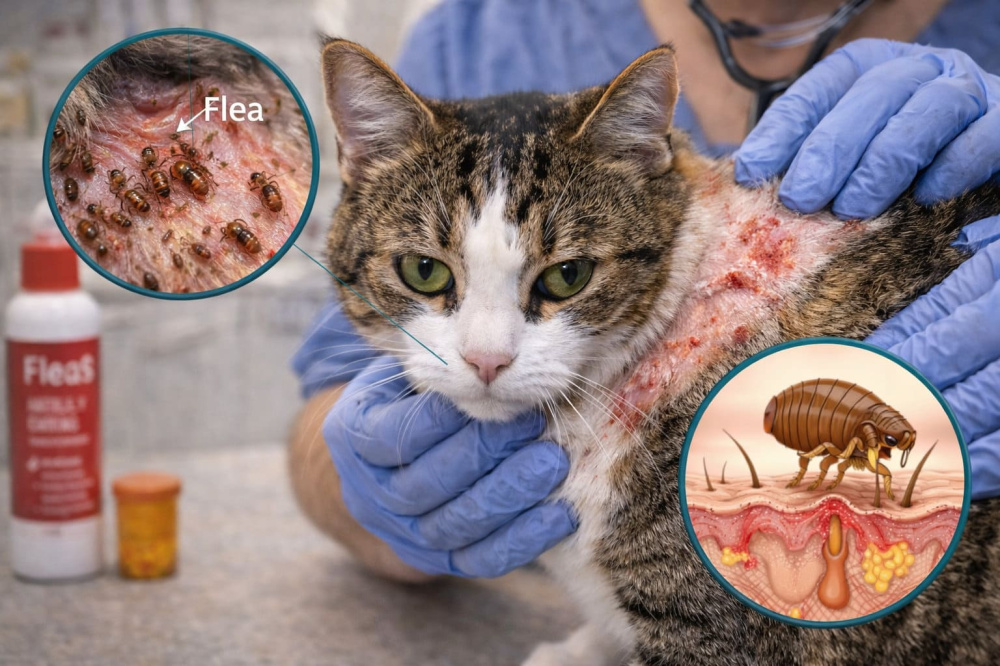
Even indoor cats in Queens can be exposed to fleas. Flea allergy dermatitis is one of the leading causes of bald patches in cats. In allergic cats, even a single flea bite can trigger intense itching and overgrooming.
Hair loss often appears along the lower back, base of the tail, inner thighs, or abdomen. You may not see fleas because cats groom them off quickly.
Signs of flea allergy include:
- Intense scratching
- Small red bumps
- Scabs along the back
- Thinning fur near the tail
- Restlessness
Consistent flea prevention is critical year-round. If your cat develops bald spots due to fleas, your veterinarian may recommend topical or oral treatments, anti-inflammatory medication, and environmental control measures.
Ringworm in Cats
Despite its name, ringworm is not a worm but a fungal infection that affects the skin and hair shafts. It is highly contagious and can spread to other pets and humans.
Ringworm lesions often appear as circular bald patches with scaling or redness. Kittens and immunocompromised cats are particularly susceptible.
Diagnosis typically involves:
-
Fungal culture
-
Wood’s lamp examination
-
PCR testing
-
Microscopic hair evaluation
Treatment may include medicated shampoos, oral antifungal medication, and environmental decontamination. Early treatment reduces spread and overall treatment cost.
“Ringworm can look mild at first, but without treatment it spreads quickly in multi-pet households.”
If you suspect ringworm in your Queens home, schedule an appointment promptly.
Allergies and Their Role in Hair Loss
Cats can develop both food and environmental allergies. Allergic reactions often lead to intense itching and self-trauma from licking or chewing.
Common allergy triggers include:
- Chicken or beef protein
- Dairy products
- Dust mites
- Mold spores
- Pollen
Unlike dogs, cats with allergies frequently show symptoms through skin irritation rather than respiratory signs. Bald patches commonly appear on the belly, inner legs, or sides.
Diagnosing allergies may require elimination diets, blood testing, or intradermal testing. Identifying the trigger is essential for long-term management.
Stress and Psychogenic Alopecia
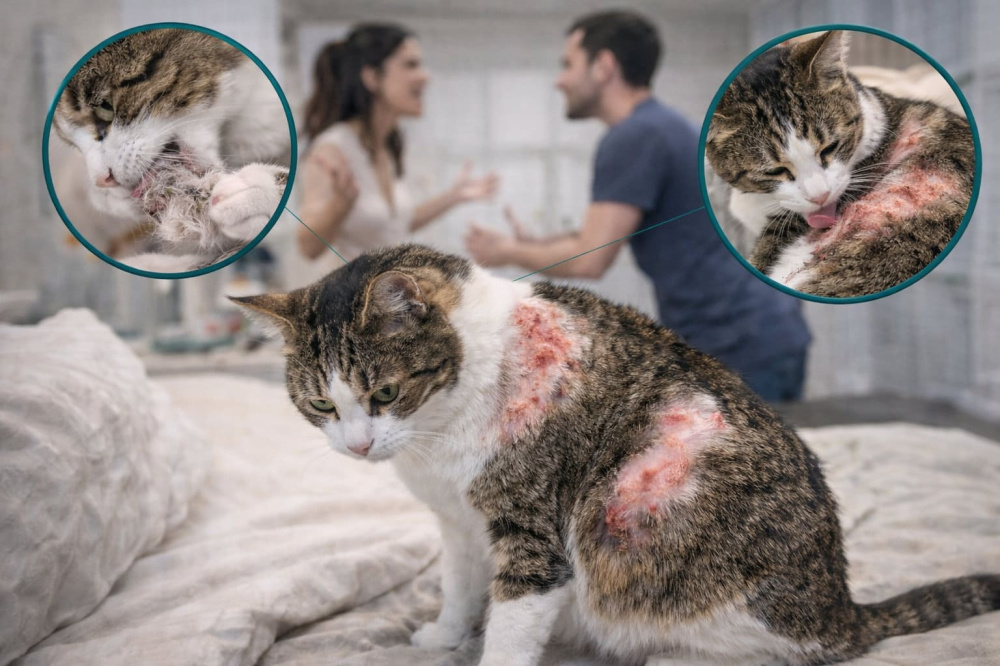
Cats are sensitive animals. Changes in routine, moving apartments in Queens, introducing a new pet, or loud environmental noise can trigger stress-related overgrooming.
Psychogenic alopecia refers to hair loss caused by compulsive licking without an underlying skin disease. The hair often appears “barbered” or broken rather than falling out naturally.
Stress-related hair loss often affects:
-
Abdomen
-
Inner thighs
-
Flanks
-
Front legs
Before diagnosing behavioral causes, medical issues must be ruled out. A full veterinary workup ensures that allergies, parasites, or pain are not contributing factors.
Hormonal and Internal Health Conditions
Certain endocrine disorders can lead to symmetrical hair loss without significant itching. Although less common in cats than dogs, hormonal imbalances can contribute to coat changes.
Potential medical causes include:
- Hyperthyroidism
- Cushing’s disease
- Diabetes
- Nutritional deficiencies
These conditions often present with additional symptoms such as weight changes, increased thirst, or behavioral shifts.
Blood testing and comprehensive diagnostics are essential when hair loss appears symmetrical and non-itchy. Early detection improves prognosis and reduces long-term medical expenses.
Skin Infections and Secondary Complications
Persistent licking or scratching can damage the skin barrier, leading to bacterial or yeast infections. Infected areas may appear red, moist, or crusted.
Signs of secondary infection include:
- Pus
- Odor
- Swelling
- Warmth to the touch
- Painful reaction when touched
These infections require prescription medication and sometimes topical therapy. Delaying care can increase treatment price and prolong recovery time.
How Veterinarians Diagnose Bald Patches
A thorough veterinary exam is the first step in identifying the cause of hair loss. Your veterinarian in Queens NY may recommend diagnostic testing based on physical findings.
Common diagnostic tools include:
-
Skin scraping
-
Fungal culture
-
Cytology
-
Blood work
-
Allergy testing
Each test provides important information that helps guide targeted treatment rather than guesswork.
“Treating hair loss without proper diagnosis often leads to frustration and recurrence.”
If you notice bald patches lasting more than a few days, it is best to schedule an appointment for professional evaluation.
Treatment Options for Cat Hair Loss
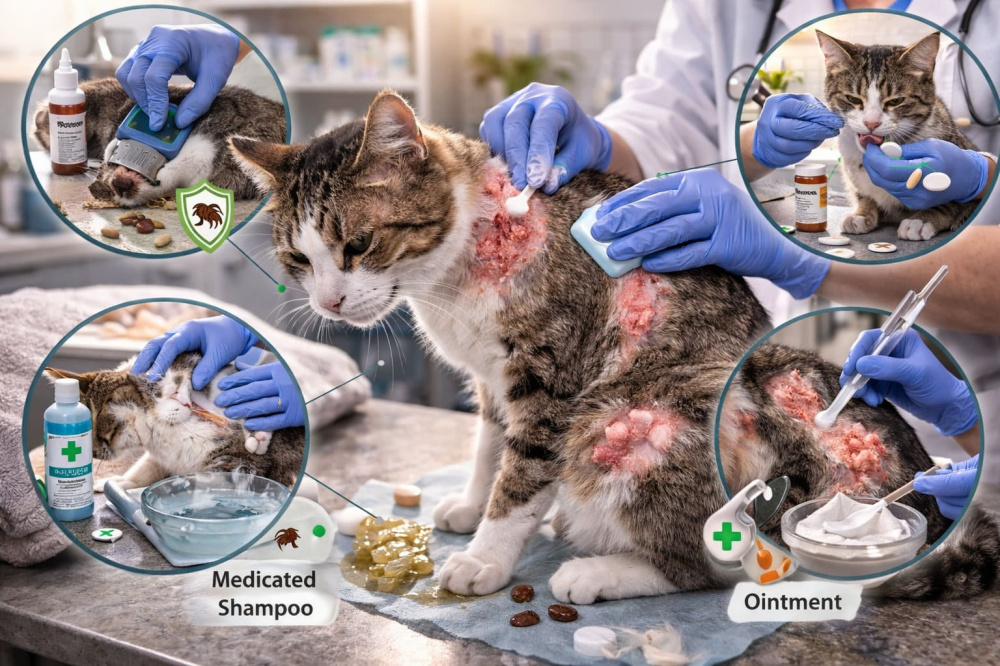
Treatment depends entirely on the underlying cause. Parasites require antiparasitic medication. Fungal infections require antifungal therapy. Allergies may require dietary changes or medication.
Treatment plans may include:
- Prescription topical medication
- Oral antibiotics or antifungals
- Anti-inflammatory drugs
- Hypoallergenic diet trials
- Environmental modifications
Consistency is critical. Stopping treatment prematurely may lead to relapse.
If cost is a concern, discuss price options with your veterinarian. Many clinics offer staged diagnostic plans based on urgency and severity.
Preventing Bald Patches in Cats
Preventive care significantly reduces the risk of hair loss. Regular wellness exams allow early detection of subtle skin changes.
Preventive strategies include:
-
Year-round flea prevention
-
Balanced high-quality diet
-
Stress reduction strategies
-
Regular grooming
-
Routine veterinary checkups
Cats in Queens benefit from indoor environmental enrichment and consistent routine to reduce stress-related conditions.
When To See a Veterinarian in Queens NY
You should seek veterinary care if your cat develops:
- Rapid hair loss
- Red or inflamed skin
- Scabs or sores
- Excessive licking
- Behavioral changes
- Weight loss
Early evaluation protects your cat’s comfort and prevents more serious complications. Our veterinary clinic in Queens NY provides comprehensive dermatology evaluations, allergy testing, parasite control, fungal diagnostics, blood work, and tailored treatment plans.
If you notice bald patches on your cat, do not wait for the condition to worsen. Schedule an appointment today to determine the cause and begin appropriate treatment. Prompt care not only improves outcomes but often reduces overall treatment costs by addressing the issue before it becomes severe.